Substitutions for ingredients in my gluten-free recipes

Return to Gluten-Free FAQs

Gluten-Free Artisan Bread in Five Minutes a Day tries to accommodate a wide variety of food sensitivities but some readers asked about substitutions for what’s called for in the book’s flour mixtures, and so here are swaps for flours that some of our readers don’t eat. Others may be possible, but these are the gluten-free substitutes that actually worked.

Flour Mixture #1 is based on rice, sorghum, tapioca, and potato, with xanthan gum or psyllium providing structure. If you’re sensitive to the bold-faced ingredient in the list below, you can try swapping in one of the suggested gluten-free substitutes. But keep in mind that if the recipe already has some of that ingredient, you may throw off the flavor or consistency. Are other substitutions possible? Maybe, but it’s risky.

White rice flour can be replaced by brown rice flour, but increase the water by 2 tablespoons per full batch of our dough recipes. It seems that at least some rice flour is pretty much a requirement for a good result, whether white or brown. If you can’t use rice at all, you probably need to try a different method.

Sorghum flour can be replaced with oat or amaranth flour.

Tapioca starch/flour can be replaced with arrowroot starch/flour or cornstarch. However, cornstarch cannot be omitted from the brioche recipe–substitutions there just did not work.

Potato starch: You can try proportionally increasing the other starches/flours in the flour mixture, but you may have to adjust the water to keep the consistency at about the level that you see in the video.

Corn starch: In testing, it was tough to decrease corn starch in these recipes, despite much experimentation. You could start trying partial swaps, or combination swaps for other powdery starches or GF flours, but as I say, this was frustrating. On the other hand, if you can tolerate a little density, or are willing to settle for flatbreads only, you could end up with something acceptable to you. For the books, the doughs had to be multi-purpose, including working well in sandwich loaves and other lofty breads. The flatter you’re willing to accept–the more leeway you’ll have when you experiment with swaps for corn starch–but I can’t make any guarantees here.

Finally, some readers have asked about ingredients like almond, millet, or quinoa. Though those appear in small amounts in some of the book’s recipes, they don’t make a good yeasted bread when you start to use more significant amounts.
Return to Gluten-Free FAQs

Dense or gummy interior, or inadequate rising in my gluten-free breads. What am I doing wrong?

Return to Gluten-Free FAQs

If the breads in Gluten-Free Artisan Bread in Five Minutes a Day are coming out dense or gummy, or don’t seem to rise as much as you expect, here are the things to check:

Expectations: No question about it, gluten-free breads are denser than wheat breads, and they don’t rise as high. Plus, they get most of their loft in the hot oven (that’s called oven spring). Don’t expect to see a lot of visible change while the loaf is resting (after its shaped).

If you’re not loving the no-egg version: Since 2009, our wheat books have included one chapter with gluten-free recipes, always with eggs. Many of our gluten-free readers asked for gluten-free recipes that were also egg-free, so when we wrote Gluten-Free Artisan Bread in Five Minutes a Day in 2014, we made our default Master Recipe egg-free, with a variation that includes whole eggs or egg whites (on page 73). But–there’s no question that the egg versions have better rise and are less dense. If you can eat eggs, our favorite is the egg white version; there’s more on this at a post describing the version with egg. If you cannot eat eggs and you’re finding the no-egg version too dense, go through all the tips on this page–and if you’re still not happy with the density of the loaf-breads, consider using the dough for flatbreads that won’t require as much structure and loft.

If you’re making the gluten-free recipes from The New Artisan Bread in Five Minutes a Day, there were typos that mainly affected the gluten-free recipes. Click here to view the corrections. The recipes will seem much too wet without these corrections.

Inadequate mixing: Consider using a stand mixer if you’re finding the loaves to be denser than you like. It’s certainly possible to get good results by mixing with a spoon or dough whisk, but you really have to work at it, to get a completely smooth mixture, and some of our readers are giving up too soon. Bottom line, the stand mixer will give more reliable results. One thing to be aware of–the very high capacity stand mixers (eg., 6-quart) don’t work well for this gluten-free dough–it seems to “climb” up the flat beater and avoid the mixing process. Stick with about a 5-quart capacity.

Wrong hydration: In other words, too much or too little water relative to the flour mixture. If you’re swapping for a flour that we didn’t test with, go back to Bob’s Red Mill gluten-free flours (not their flour mixtures), which are the only ones readily available in U.S. supermarkets, and test again. Other flours may absorb water differently, and you may need to adjust. If you can’t find Bob’s, you may need to adjust the water–take a look at our videos so you can see what the dough looks like fully mixed. If there’s no explanation for your overly wet dough, consider mixing it a little drier next time–increase the flour by 1/8-cup, or decrease the liquids a little.

Swapping in a flour or other ingredient we didn’t test with: As above, all bets are off if you aren’t using what we tested with. In particular, we did not have good results with rice flours from Asian markets.

Measurement  problems: You’ll get most accurate results if you weigh the ingredients rather than using cup-measures. We’ve had good experience with the Escali and the Eatsmart digital scales. Cup measures may be allowing too much (or too little) flour, which throws off the hydration. If you do use cup-measures, be sure to pack gluten-free flours into the cup (like you were measuring brown sugar). These flours are powdery, and we found this to be the only way to get reasonably consistent volume measurements with gluten-free flours (this is very different from what we recommend in our wheat-based books and in videos and posts here on the website).

Oven temperature may be off… which can wreck your “oven spring.” Always check with an oven thermometer.

Adequately preheat your baking stone: Some ovens and stone combinations require a longer preheat than the 20 or 30 minutes we specify in the book.

Resting time: Make sure you’re resting for the full interval that we recommend in the book.

Large loaf: In general, we tested these as small loaves (usually one pound), so if you made something larger, rest them for longer, and bake them for longer.

Return to Gluten-Free FAQs

Gluten: What is it? And what grains contain gluten?

Return to Gluten-Free FAQs

Short answer: it is a protein that’s found in wheat, wheat variants, barley, and rye. These grains appear in many of the foods we eat.

But I am chagrined! It seems that I, a medical doctor, was destined to write the six pages in Gluten-Free Bread in Five Minutes a Day, called:

So what’s the problem with gluten? For whom? A wee bit of science

But my “wee bit of science” never told readers exactly what gluten is! So my apologies for that. Maybe I should ask Jimmy Kimmel if I can be in his “What is Gluten? video (not to single out folks from Los Angeles, but they don’t seem to know, and I didn’t help matters):

The longer answer: It is formed when two proteins found in wheat, barley, and rye (gliadin and glutenin)–are mixed with water. It’s gliadin that causes the immune reaction in celiac disease. Plant scientists call these “storage proteins” because they serve as the protein source for the emerging seedling (remember that these foods are seeds).

Even if you understand what gluten is, and the fact that it’s found in wheat, barley and rye, you may not know all the varieties of wheat that don’t contain the word “wheat” in their name. Here is a longer list of grains that are genetically related to wheat and contain gluten. Remember, many foods contain hidden sources based on these grains:

Wheat (all-purpose flour, bread flour, whole wheat flour, wheat bran, wheat germ, graham flour, pastry flour)

Barley and barley malt

Bulgur

Durum

Einkorn

Emmer

Faro (sometimes spelled farro)

Freekeh

Kamut

Khorosan

Rye

Semolina

Spelt

Sprouted wheat, sprouted wheat flour

Triticale

Yeast brands that contain enzymes or dough enhancers which enhance wheat doughs. Most yeast brands are fine. These enzymes/enhancers are often derived from wheat, so check to be sure your yeast is labeled “gluten free.”

Return to Gluten-Free FAQs

Onion Poppy Seed Twist Bread

Onion Poppy Seed Twist Bread | Artisan Bread in Five Minutes a Day

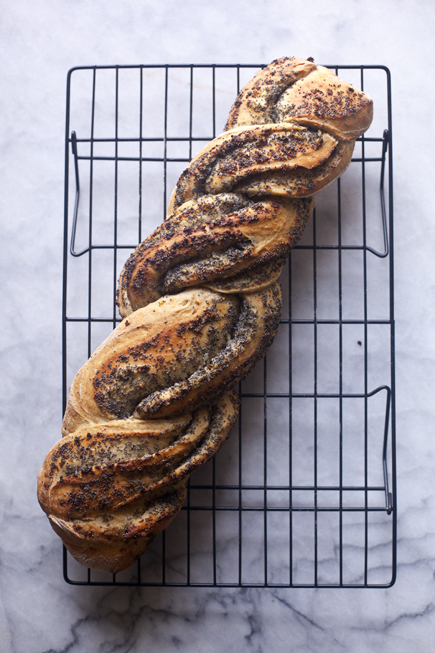
Onions and poppy seeds have to be the most aromatic and delicious combination of flavors. They have been featured on Jewish breads from Bialys, Pletzels and Bagels for centuries. This onion poppy seed twist bread is a new twist (sorry, couldn’t resist the bad pun) on the classics. I started with whole wheat bread, spread the savory filling on the dough, rolled it up and then cut the log in two before twisting them together, so you can see the filling peek out. The result is beautiful, but the best part of this loaf if the aroma as it bakes. Read More

Crock Pot Cinnamon Rolls

Crock Pot Cinnamon Rolls

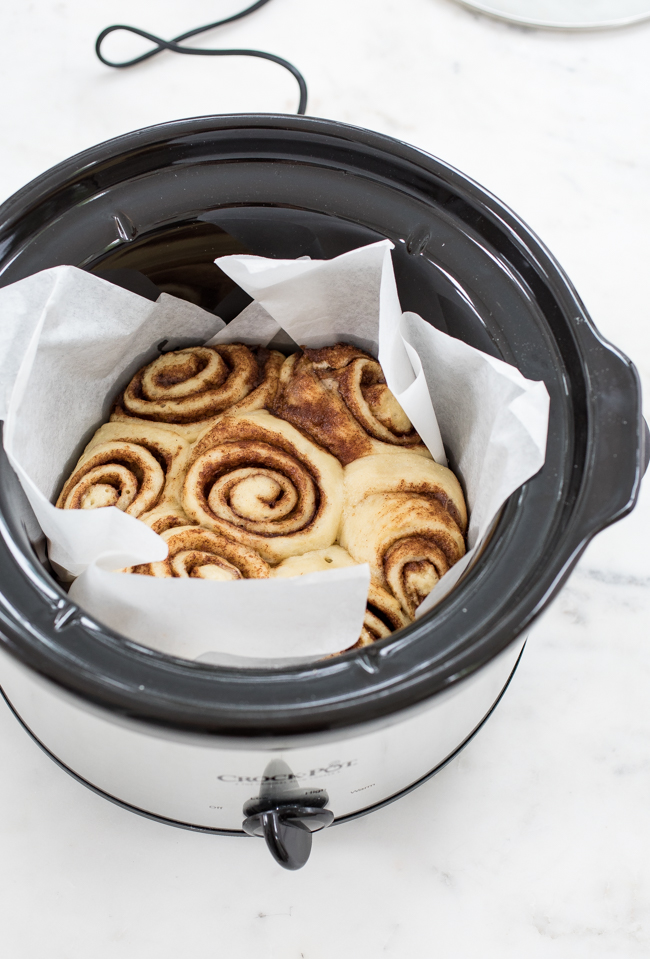
Well, we’ve made our Master recipe in a crock pot, our brioche in a crock pot, dinner rolls, and even our gluten-free dough in the slow cooker. It seemed a good time to add to the list, and so we took on crock pot cinnamon rolls. I’m happy to report that they work just as well; it’s as easy as rolling out dough, brushing some butter and sprinkling sugar, shaping rolls, and then letting them bake for an hour. My family couldn’t tell they weren’t baked in the oven, and my kids had the best after school snack of the year.

Read More

Apple and Honey Challah

Apple and Honey Challah Recipe | Artisan Bread in Five Minutes a Day

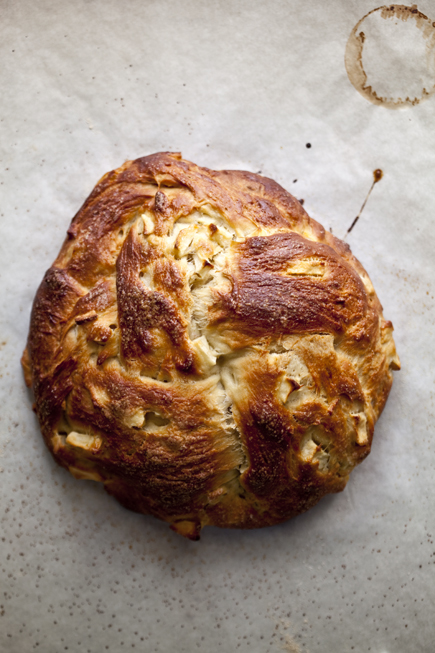
Tomorrow I will celebrate Rosh Hashanah, the Jewish New Year, with family and friends. It is traditional to eat lots of honey and apples during this high holy day to usher in the new year with sweetness. The challah dough from The New Artisan Bread in Five Minutes a Day is made with honey, then I fold chopped apples into the dough and braid it into a circle. You can do any shape you like, but the circle is meant to symbolize the full cycle of the coming year. This bread may be ubiquitous at the high holy days, but it is wonderful anytime, especially during apple picking season here in the Midwest. 

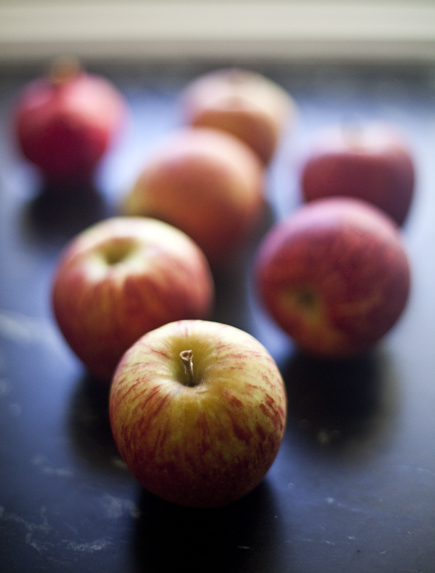
Fresh Apples | Artisan Bread in Five Minutes a Day Read More

Whole Grain Loaves without Vital Wheat Gluten, and Highlights from the Mill City Bread Festival

whole grain homemade bread

Return to FAQs

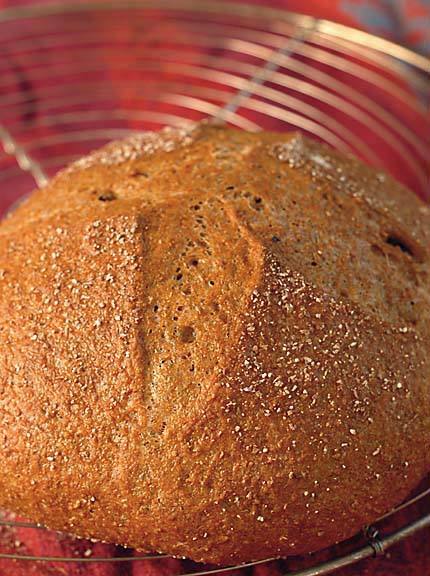
When I wrote Healthy Bread in Five Minutes a Day in 2009, I made a strategic choice. I knew that most of our readers liked their bread light and fluffy, and our refrigerator storage technique could be unforgiving when you used a lot of whole grains. For some of my tasters, whole grain bread made from wet dough stored in the fridge could be a little too dense for their taste. So I lightened things up a bit, by boosting the gluten in our whole grain doughs that appear in that book, using vital wheat gluten (VWG). Well, I’ve been experimenting on whole-grain doughs stored without VWG, and I’ve been pleased with the results. Here’s a simple alternative recipe for whole grain loaves without the added gluten. Plus, highlights from my appearance at the Mill City Bread Festival. Read More

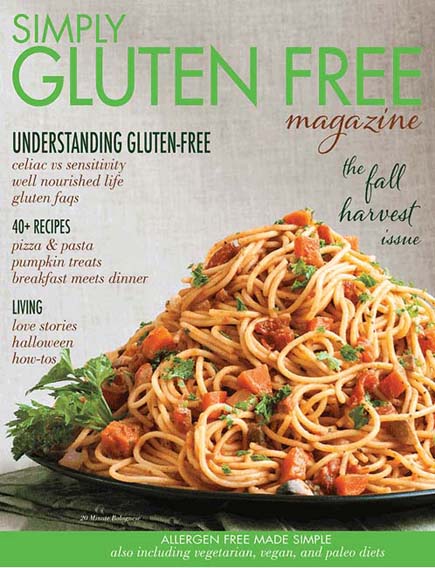
We’re in the Sept/Oct edition of Simply Gluten-Free Magazine, and Jeff’s at the Mill City Bread Festival this Saturday at 10am

Simply GF Magazine

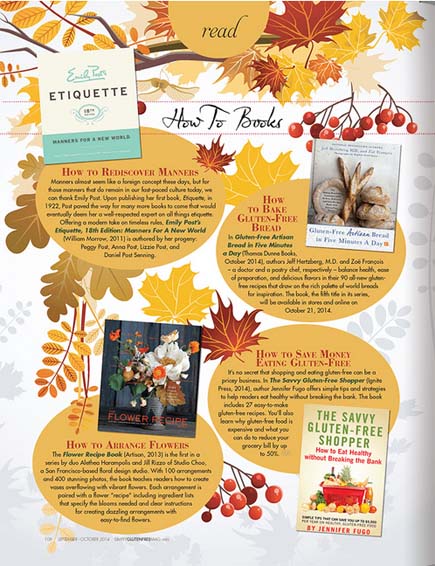
Thanks, Simply Gluten-Free Magazine, for including Gluten-Free Artisan Bread in Five Minutes a Day (available for pre-order) in your Fall Harvest Issue (we’re in the “How-To” books section on page 108).

GFin5 in SimplyGF Mag

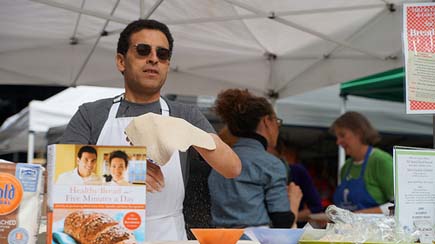
And tomorrow, Saturday September 13 at 10:00am, Jeff will be tossing pizzas at the Mill City Bread Festival, hope to see you there–I’ll be doing a demo, handing out some samples, and doing an impromptu book-signing. Last year was great fun…

Tossing-the-dough